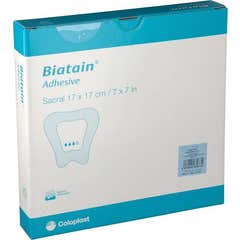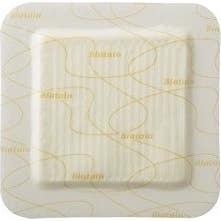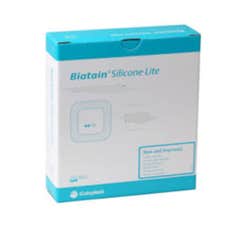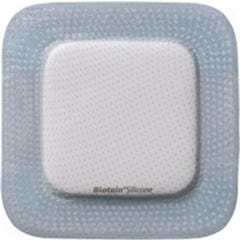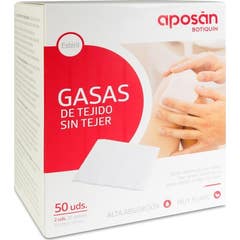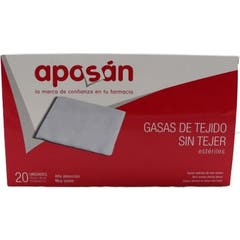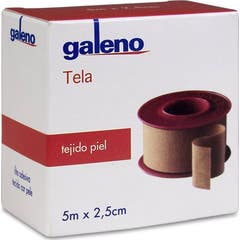
Dressing indicated to help treat moderate to heavily exuding wounds, including cavitary wounds. It is indicated for use in acute and chronic wounds such as diabetic foot ulcers, leg ulcers (arterial ulcers, venous ulcers and leg ulcers of mixed aetiology), decubitus ulcers (stage II to IV), absorption of exudates from cancerous wounds, traumatic wounds, second degree burns, donor sites and post-operative wounds.
Product details
Burns are damage and destruction to the integrity of the skin caused by heat, chemicals, electricity, sun exposure or other radiation energy. At the domestic level, the most common burns are caused by liquids, hot steam or contact with a surface at a high temperature. These burns can reach more or less deep layers and affect adjacent structures (hair follicles, sweat glands). Their extent can be variable. They are classified into different degrees depending on these factors (degree 1 being the most superficial and least serious).
In cases of mild, superficial and not very extensive, slightly red burns (for example, after exposure to the sun), intensely moisturise the skin with soothing and moisturising emulsions. Sunscreen will also be necessary to protect the area with a high SPF and appropriate clothing and accessories. Remember that sunburns are indicative of deep damage to the skin, with alterations to cellular DNA, so it is always best to avoid them by using sunscreen and being responsible with sun exposure.
Other types of minor burns can be relieved immediately by placing the area under cold water for a few minutes. Then, when the skin is dry, apply a soothing, antiseptic and regenerating ointment. The damaged area should be covered with sterile bandages or dressings with silver particles (with an antibacterial effect). It should also be protected from the sun to avoid post-inflammatory hyperpigmentation. If any more serious signs appear, such as malaise, fever, discharge from the affected area, blisters, pain or other signs of infection, consult a healthcare professional.
Searches related to Flesh wounds
New in First-Aid Kit
- Sterilux Crepe Bandage Cotton 15cmx4m
- La Rosée Travel Kit 4 Bottles
- Konix Burn Dressing 20x20 cm 1 pc
- Konix Burn Dressing 30x30 cm 1 pc
- Konix Sterile Burn Gel First Aid 118 ml
- PINO Cold Spray 400 ml
- Konix Burn Dressing 10x10 cm 1 pc
- Konix Sterile Burn Gel First Aid 100 Sachets
- Konix Burn Dressing 40x60 cm 1 unit
- Pranarom Aromapic Pack Spray Repellent Milk 100 ml + Roller 15 ml