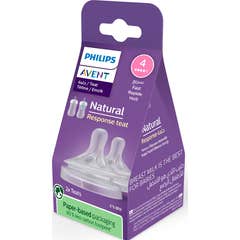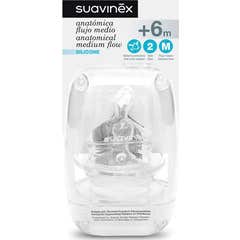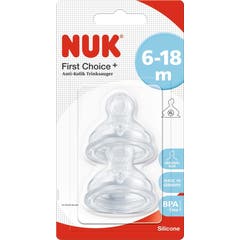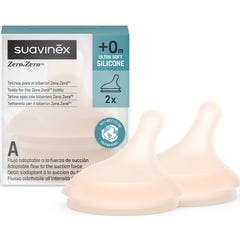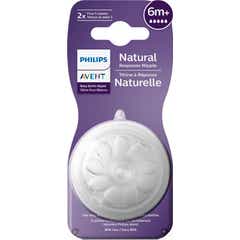
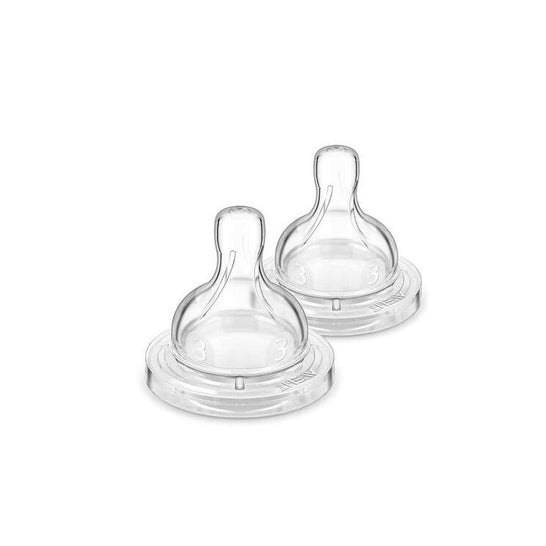
Avent silicone nipple medium flow 3m+ 2uts

Adaptable to baby's sucking, comfortable and soft feeding

Philips Avent

Product temporarily out of stock

Log in to your account and set up an alert so we can notify you when the product is available again.

Log in
Product details

Choosing the right bottles and pacifiers for our baby is essential to ensure optimal feeding. Just as the mother's nipple does, a bottle with a nipple suited to your baby's needs will help you soothe and calm him. Therefore, it is essential that we take the time to choose our children's products

Avent medium flow silicone teat 3m+ is specifically designed to improve your baby's feeding. Due to its shape and design, it will make it easier for your baby to feed, avoiding colic and discomfort when feeding

The Avent nipple valve flexes to the baby's feeding rhythm, flowing the milk according to your baby's pressure. In addition, thanks to its anti-colic system, it will prevent air from entering your baby's stomach, preventing colic

*BPA-free teat.

* Product color and design may vary depending on availability.
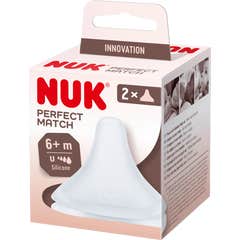
There are several aspects to consider when choosing the teat that best suits the baby's needs, such as, for example, the material it is made of, as well as the flow speed and/or quantity, which should be adapted to each baby’s age and preference.

There are generally two materials to choose from: latex and silicone. Latex is a 100% natural product with a soft and elastic texture, which resembles the mother's nipple. Silicone is a transparent white chemical that is resistant and does not absorb odours or flavours.

There are several teat flow types: slow flow, suitable for new-born babies; medium flow, from 3-4 months and those with a higher flow, which are recommended to feed cereal and milk porridge. The choice of teat flow will therefore depend on the baby's growth stage. There are also variable flow options, which can be modulated according to how the teat is placed.

It is important to use bottles with teats that have an anti-colic system to prevent the ingestion of air and thus reduce the risk of colic.

Finally, we must bear in mind that the teat should be changed after 6 weeks of use or earlier if it has deteriorated.