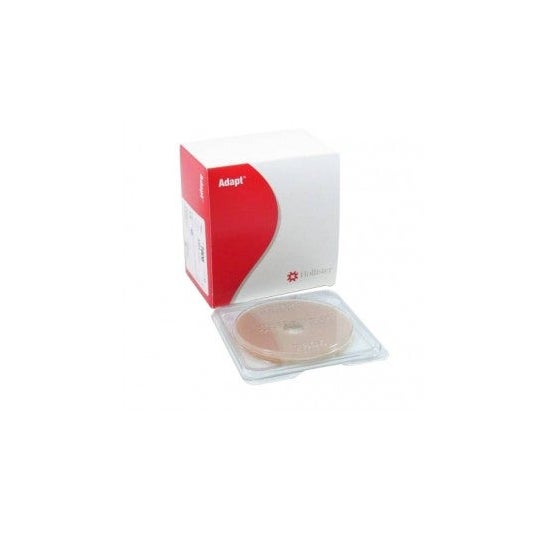
Hollister dressing B Ostom 7806 10 uts

Keeps skin protected and free from infection

HOLLISTER

Product temporarily out of stock

Log in to your account and set up an alert so we can notify you when the product is available again.

Log in
Product details

When we present any type of wound or skin alteration, we must protect it from the damage of bacteria that can infect the area. Using effective dressing is the ideal way to keep your skin cared for and protected at all times.

Hollister dressing B Ostom 7806 are practical dressings to cover skin irregularities, achieving a lasting fit. It prevents fluid loss and keeps the area completely protected and free from infections.

It can be adopted in different ways, being:

  • Cut
  • Molded
  • Overlapped

They are resistant and durable, and have a formulation that will allow you to seal your skin with total comfort, without irritation.

Their format consists of 99mm rings.

Protect and care for your skin!
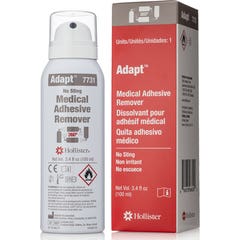
Remove the protective covers from the ring, mold or stretch the barrier ring as needed. Place the ring directly on the peristomal skin, or on the film of an ostomy bag, or on protective paste. To remove the ring, gently pull the top down while applying slight pressure on the skin with your free hand.

Plasters, adhesive bandages or dressings are patches that have a sterile gauze pad in the centre, surrounded by an area that sticks to the skin. They are used to protect open wounds, prevent infection and facilitate the healing process.

There are different types of plasters depending on the type of injury. To choose the right dressing, you need to consider the conditions the wound will be subjected to. They come in multiple sizes, materials, colours, flexibility, and can even be water-resistant. They may also have an additional ingredient with antiseptic properties to ensure a better healing process.

It is essential to clean the wound with water and soap, disinfect it and carefully dry the area with a sterile gauze before applying a dressing to any type of wound. Afterwards, simply remove the protective elements and make sure that the gauze pad, not the adhesive part, completely covers the wound.

Remember that the dressing is intended to protect the skin until it forms a protective scab. Unless the wound is in a rubbing area, it is preferable to remove the plaster once the scab has formed so that it can heal completely.

Please note that plasters are only indicated for blistering or minor bleeding. If the wound is very large or deep, you should consult your doctor, who will be able to assess how you should to proceed.