+info



Product details
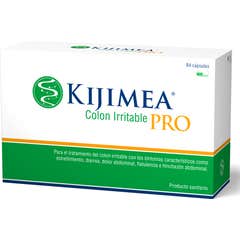
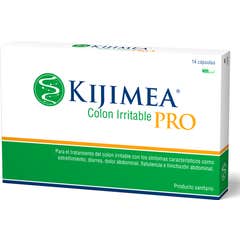
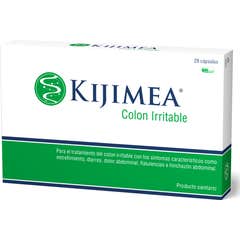
Toxins and pathogens can pass through the intestinal wall through the smallest microlesions and cause tiny inflammations. This process can cause intestinal irritation which, in turn, promotes the repetition, alternating or even simultaneous, of typical symptoms such as constipation, diarrhea, flatulence and abdominal cramps.
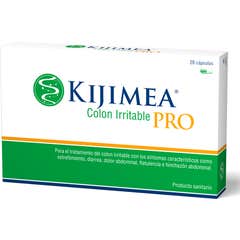
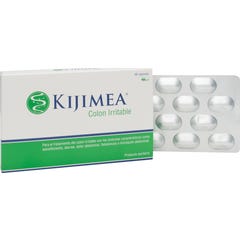
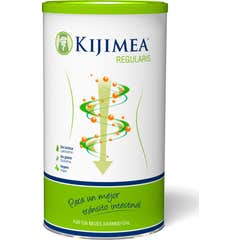
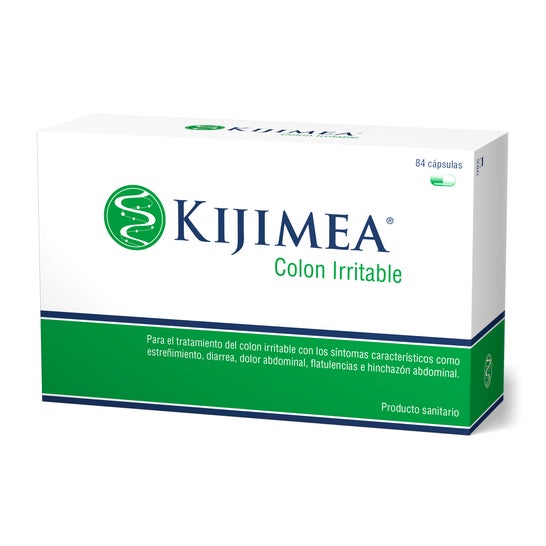
KIJIMEA Irritable Colon fights these symptoms by counteracting the problem at its root: the bifidobacteria strain B. bifidum MIMBb75 attaches to the intestinal wall. In fact, in a research study lasting years, scientists found that the strain of bifidobacteria B. bifidum MIMBb75 present in KIJIMEA Colon irritable, has the ability to accumulate directly on the intestinal wall. Experts call it a "patch effect" because KIJIMEA Colon Irritable attaches to the intestinal wall like a patch to a wound. The result: the pathogens can no longer penetrate the intestinal wall and the irritation disappears.
No more intestinal discomfort with irritable KIJIMEA Colon!
How to use Kijimea Irritable Colon
Take two capsules of Kijimea Irritable Colon once a day during meals and with sufficient amount of liquid. The capsules must be swallowed whole. For optimal results, take Kijimea Irritable Colon capsules for a minimum period of 4 weeks, ideally for 12 weeks. You should experience symptomatic relief after about 7 days of regular intake of the medical device.
Iron is a functional mineral that contributes to the body's growth and development. It is present in haemoglobin and myoglobin. These proteins transport oxygen from the lungs to the rest of the organism. Iron is also involved in the creation of hormones and connective tissue.
Our organism absorbs this mineral from foods such as seafood, lean meat, eggs, pulses and nuts. To facilitate its absorption, it is advisable to add acidic foods rich in vitamin C, such as orange or lemon juice, to the diet. A lack of iron in the diet can cause iron deficiency (anaemia). In the long term, it can lead to symptoms such as a constant lack of energy, fatigue, intestinal disorders and/or difficulty keeping body temperature under control. Lack of iron can be restored through a varied diet. If this is not enough, it can be mitigated through supervised supplementation. It is essential to follow the advice of a healthcare professional and always avoid taking an iron dietary supplement without checking if you are deficient in this mineral.
The body's iron requirements will change throughout the years. It is particularly important to regulate it during the years of menstruation, as well as in pregnant women and infants. Iron is also actively involved in development and growth and is therefore very important for newborn babies.
opinions
- Napoleón I.
The results
- anonymous A.
ras
- anonymous A.
Known and used products
- anonymous A.
At the moment and with only a few days of treatment I've cut the stool to crazy.
- anonymous A.
GREAT PRODUCT, I RECOMMEND WITHOUT HESITATION.
Searches related to Colon cleansing
New in Digestive Care
- Ortis Fruits & Fibres Forte Intestinal Transit 12 sachets
- Ana Maria Lajusticia Intestinal Transit 60 tablets
- Zenement Akkermansia Complex 60 caps
- Solaray Complete Probiotic Mood 30 vcaps
- Sanon Milk Thistle 60 caps
- Sanon Evacuax 60 caps
- Phytofarma Magnesium Carbonate 110 g
- Exceldiet Pharma Transit Action 300 Capsules
- Exceldiet Pharma Colon Cleanse 180 Tablets
- Exceldiet Pharma Transalax 300 Tablets