+info



Product details
The choice of a dressing should not be taken lightly. Using an inappropriate product can delay the healing process of the wound. The dressing should allow for adequate blood circulation and not damage the skin. It should be flexible and capable of absorbing secretions.
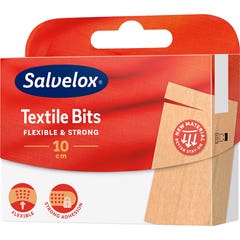
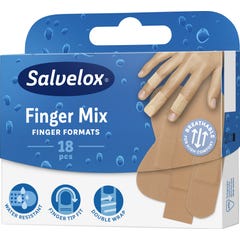
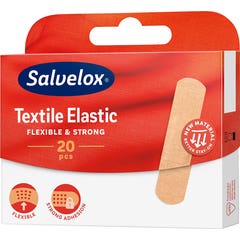
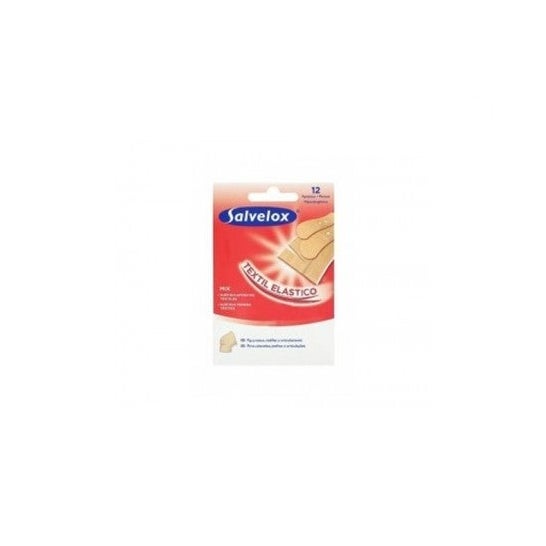
Salvelox adhesive dressings are elastic and allow movement of the injured area. This is very useful for areas that have constant movement, such as:
- knuckles
- knees
- elbows
The adhesive capacity of this dressing prevents it from easily coming off, to avoid waste. It is resistant to dirt and allows the skin to breathe, in addition to being soft to avoid discomfort.
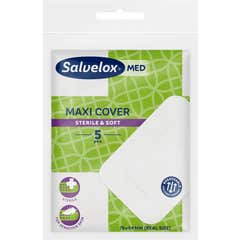
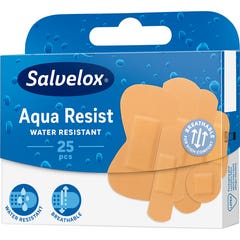
Sizes: 4 units of 25x72mm; 6 units of 19x72mm; 2 units of 60x100mm.
An essential accessory in your home first aid kit.
Clean and disinfect the wounds, apply Salvelox elastic textile dressing avoiding folds and air bubbles.
Plasters, adhesive bandages or dressings are patches that have a sterile gauze pad in the centre, surrounded by an area that sticks to the skin. They are used to protect open wounds, prevent infection and facilitate the healing process.
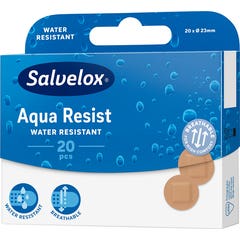
There are different types of plasters depending on the type of injury. To choose the right dressing, you need to consider the conditions the wound will be subjected to. They come in multiple sizes, materials, colours, flexibility, and can even be water-resistant. They may also have an additional ingredient with antiseptic properties to ensure a better healing process.
It is essential to clean the wound with water and soap, disinfect it and carefully dry the area with a sterile gauze before applying a dressing to any type of wound. Afterwards, simply remove the protective elements and make sure that the gauze pad, not the adhesive part, completely covers the wound.
Remember that the dressing is intended to protect the skin until it forms a protective scab. Unless the wound is in a rubbing area, it is preferable to remove the plaster once the scab has formed so that it can heal completely.
Please note that plasters are only indicated for blistering or minor bleeding. If the wound is very large or deep, you should consult your doctor, who will be able to assess how you should to proceed.
New in Flesh wounds
- Sterilux Crepe Bandage Cotton 15cmx4m
- Elastoplast Hydrocolloid Blister Plasters 6 dressings
- Compeed Small Blister Plasters Box 6 pcs
- 3M Steri-Strip Advice Adhesive Suture 3x75 mm 5 pcs
- Lohmann Velpeaupore Esparadrapo Microporoso Bla 2,5Cmx9,14m 1 ud
- Ialuset Pro Plus Crema Cicatrizante Antibacteriana 25 gr
- Dermomed Fix Apósito con Gasa Antiséptica 7,5Cmx5cm 6 uds
- Urgostart Plus Absorb No Sustituible 15 cm x 20 cm 16 uds
- Scholl Apósitos para Ampollas Cortes y Rozaduras 6 uds
- Urgo Resistente Gran Formato 10 uds