+info


Product details
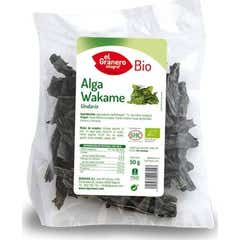
Wakame is an algae with a high content of calcium and iodine. It contains B vitamins, iron, and folic acid. It has very few calories, and its natural pigments have antioxidant, anti-inflammatory, neuroprotective, and metabolism-boosting properties. From sustainable and artisanal farming. Suitable for vegans.
Freshly: It can be bought fresh or dehydrated. If it's the second option, we can soak it for 5 minutes and let it hydrate. We can use it in salads or a seaweed dish with sesame, to the consumer's liking. Dried: Crumble and use as a dressing in salads or dishes. Soup: Leave the seaweed in a bowl in the fridge for a week. Use that water to make miso soup or with any usual recipe.
Iron is a functional mineral that contributes to the body's growth and development. It is present in haemoglobin and myoglobin. These proteins transport oxygen from the lungs to the rest of the organism. Iron is also involved in the creation of hormones and connective tissue.
Our organism absorbs this mineral from foods such as seafood, lean meat, eggs, pulses and nuts. To facilitate its absorption, it is advisable to add acidic foods rich in vitamin C, such as orange or lemon juice, to the diet. A lack of iron in the diet can cause iron deficiency (anaemia). In the long term, it can lead to symptoms such as a constant lack of energy, fatigue, intestinal disorders and/or difficulty keeping body temperature under control. Lack of iron can be restored through a varied diet. If this is not enough, it can be mitigated through supervised supplementation. It is essential to follow the advice of a healthcare professional and always avoid taking an iron dietary supplement without checking if you are deficient in this mineral.
The body's iron requirements will change throughout the years. It is particularly important to regulate it during the years of menstruation, as well as in pregnant women and infants. Iron is also actively involved in development and growth and is therefore very important for newborn babies.
Searches related to Edible Seaweeds
New in Organic Food
- Le Pastillage Officinal Honey Orange Pastilles 80 g
- Hsn Soft Pistachio Cream 250 g
- Nuveg Instant Oat Drink 200 g
- True Dates Sour Apple Flavored Dates 100 g
- CocoHagen Mini Truffle Vanilla 25x20 g
- True Dates Cookie Flavor Dates 100 g
- True Dates Sweet Pear Flavor Dates 100 g
- CocoHagen Mini Hazelnut Truffle 25x20 g
- CocoHagen Mini Cocoa Truffle 25x20 g
- True Dates Dates Peanut Butter Flavor 100 g