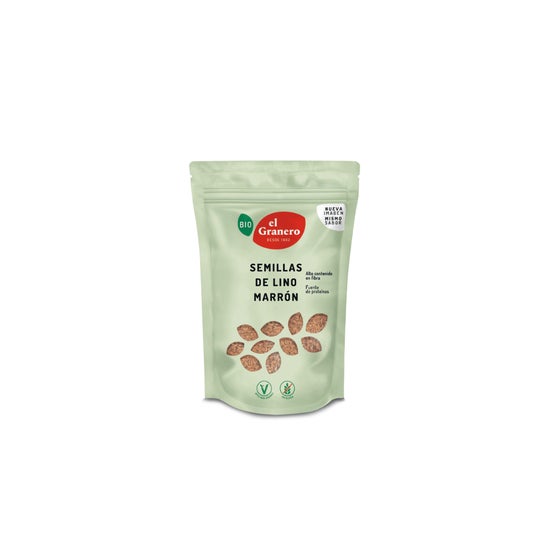
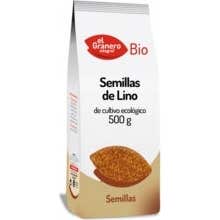
It is a food rich in fatty acids, proteins, and fiber. It is a very versatile ingredient from organic farming and has certification. It can be added to meals either whole or ground.
In addition, it helps to:
Reduce cholesterol, thanks to Omega 3.
Detoxify the body.
Combat constipation issues.
They can be soaked in vegetable juices or drinks and then added to yoghurts. They can also be ground and added to salads, sponge cake or bread doughs, etc.
€0.66 / 100 g
Omega-3 fatty acids are a type of polyunsaturated fat that helps regulate triglyceride and cholesterol blood levels. However, these fats, which help to maintain cardiovascular health, are not produced by the body. This is why it is important to include foods rich in Omega 3 in your diet, such as fish and shellfish, seeds or algae. Without ever exceeding the recommended dose, you can also opt for dietary supplements that provide these beneficial fatty acids.
The most common fatty acids are EPA and DHA (from marine sources) and ALA (from plant sources), which help regulate blood pressure. They also help to reduce the risk of developing irregular heartbeats or arrhythmias. Omega-3's main benefits are therefore related to cardiovascular health and, as they are part of the cell membranes, they also help to maintain the nervous system function in good condition. Remember that dietary supplements should never replace a healthy, balanced diet.