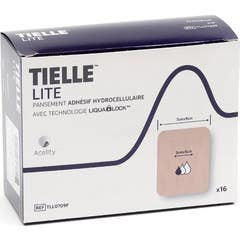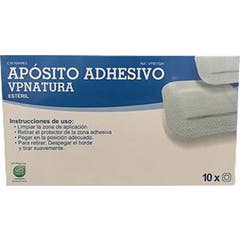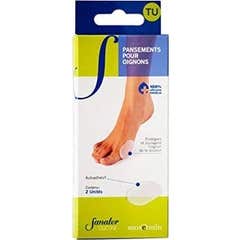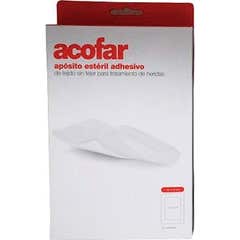
Product details
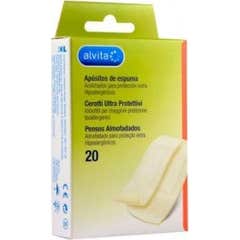
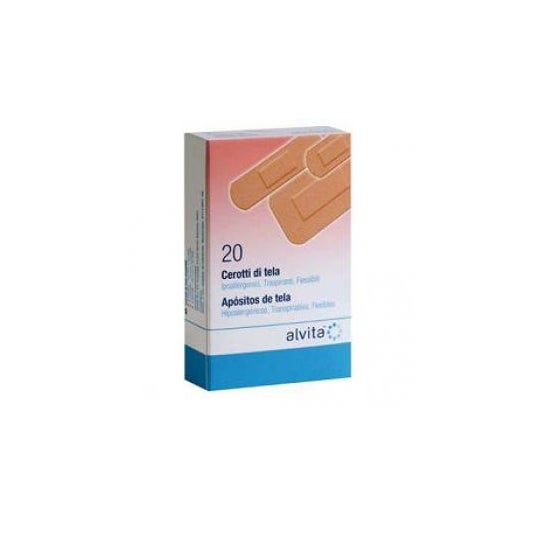
In your first aid kit, you can't miss the Alvita dressings. They will be among the most practical and essential, especially in homes with children!
The Alvita dressings are made with fabric, film, and polyethylene foam. They are hypoallergenic, non-sterile, and super absorbent dressings that cover wounds and facilitate healing.
Features:
- They do not stick to the wound.
- Soft, ideal for delicate skin.
- Adhesive.
- Breathable.
- Flesh color.
- With foam to absorb impacts.
- Waterproof, allows bathing or showering without water entering the wound.
- Discreet.
- Latex-free.
- Includes 20 units in the box (individually packaged).
*For hygiene reasons, changes or returns of this product will not be accepted.
Protect your wounds with Alvita!
Clean the wound carefully with water and dry it well. Place the dressing, pressing the edges firmly.
New in Flesh wounds
- Compeed Wound Hydrocolloid Waterproof Plasters Assorted 10 pcs
- Compeed Wound Hydrocolloid Waterproof Plasters Fingers 10 pcs
- Compeed Wound Hydrocolloid Dressings Waterproof Medium 10 pcs
- Cosmopor Transparent Dressing 5 x 7.2 cm 5 pcs
- Cosmopor Transparent Dressing 10 x 20 cm 5 pcs
- Hartmann Peha-Haft Easy Self-Adhesive Bandage Blue 8 cm x 4 m
- Cutimed Sorbion Sachet S Drainage 10 x 10 cm 10 pcs
- Hartmann Peha-Haft Easy Self-Adhesive Bandage Blue 6 cm x 4 m
- Hartmann RespoSorb Silicone Border Heel 25 x 25 cm 10 pcs
- Urgo Sterile Adhesive Dressings Large Size 5 units