+info


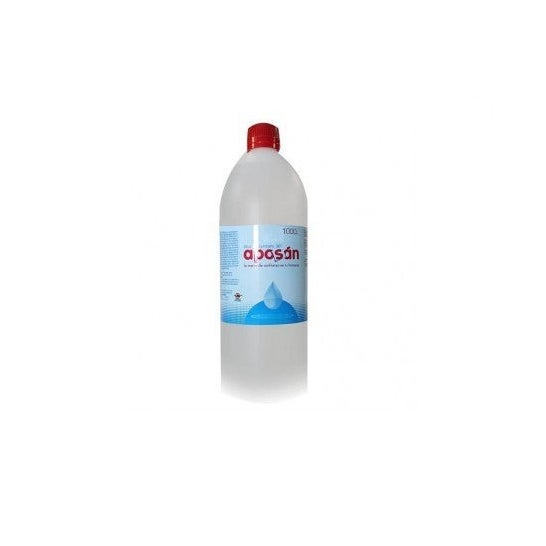
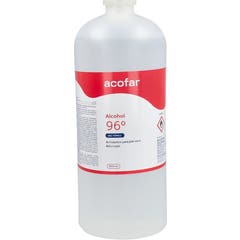
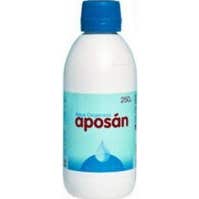
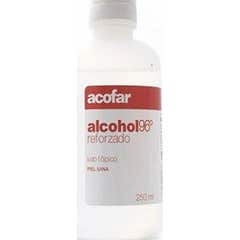
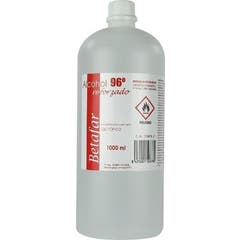
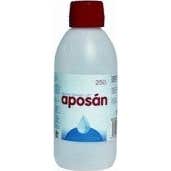
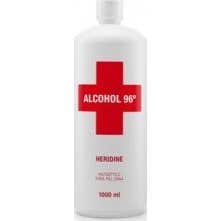
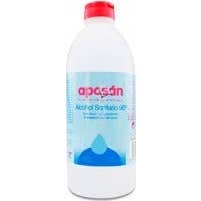
Apostan alcohol 96º benzalkonium chloride 1l
Helps to disinfect wounds and cuts. Indispensable in the booty of the house
APOSAN · 1000 ml
3.74 €-17%
€4.50Estimated market price
Only 2 units at this price
Product details
New products have been renewed and have appeared to replace the classics, which in many cases remain in place, due to their versatile use and proven effectiveness.
Aposan's disinfectant alcohol is an essential element in the medicine cabinet of every home. It is used for asepsis of the entire skin, i.e. without cuts or open wounds, and to treat the newborn's navel;
The disinfectant alcohol has bactericidal effects, but it should not be forgotten that it is ineffective against spores.
*Do not apply on wounds or mucous membranes.
Not valid for oral use and should not be swallowed.
Apply to superficial wounds with the help of cotton or gauze and allow to air dry. Repeat as many times as necessary.
Rubbing alcohol for sanitary use is an antiseptic for healthy skin. It is an effective substance to eliminate viruses and bacteria on the skin surface when used properly. However, it is less effective against bacterial spores, which are more resistant. Alcohol is used to prepare the skin before an injection or minor surgery. It should not be used to disinfect open wounds (other disinfectants are better served for this purpose), nor on damaged or irritated skin. It should not be applied to eyes, mucous membranes or very large skin areas. It should always be used externally. It may contain other disinfectant substances to boost its action.
We commonly find 96° or 70° alcohol in medicine cabinets. But how are they different? The difference lies in the degree of ethanol concentration that they contain. The 96° alcohol is higher in concentration. On the other hand, 70° alcohol is more diluted, i.e. it has a 30% water content. Both act as disinfectants, the former with faster action and the latter, although slower, more effective, as it can better penetrate the bacterial protoplasm. 70° alcohol is considered to have a greater antiseptic effect.
On the other hand, there are popular hydroalcoholic solutions in a gel format, for hand disinfection when soap and water are not available. They are usually less irritating than the direct application of alcohol, as they contain other moisturising and soothing ingredients. Hydroalcoholic gels with an alcohol concentration of around 70% are considered the most suitable for antiviral purposes. It is important to remember that all alcohol products are highly flammable and should be handled with caution.
Finally, ethyl alcohol or ethanol also has applications in personal care products. In cosmetics, it can be used as a preservative, dissolve other ingredients or for its astringent action, but in these formulations, it is found in much smaller quantities.
It should not be mixed with other substances and should be kept out of children’s week. In case of poisoning or accidental ingestion, seek medical advice immediately.
opinions
- anonymous A.
Just alcohol.
New in Flesh wounds
- Elastoplast Hydrocolloid Blister Plasters 6 dressings
- Compeed Small Blister Plasters Box 6 pcs
- 3M Steri-Strip Advice Adhesive Suture 3x75 mm 5 pcs
- Lohmann Velpeaupore Esparadrapo Microporoso Bla 2,5Cmx9,14m 1 ud
- Ialuset Pro Plus Crema Cicatrizante Antibacteriana 25 gr
- Dermomed Fix Apósito con Gasa Antiséptica 7,5Cmx5cm 6 uds
- Urgostart Plus Absorb No Sustituible 15 cm x 20 cm 16 uds
- Scholl Apósitos para Ampollas Cortes y Rozaduras 6 uds
- Urgo Resistente Gran Formato 10 uds
- Urgo Fashion Apósitos 4 Diseños 14 uds