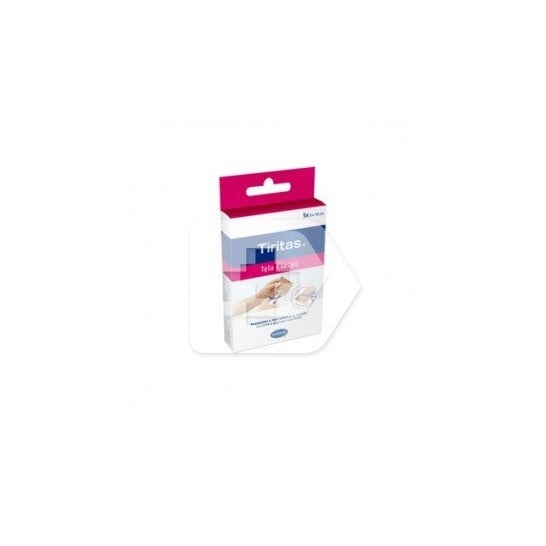
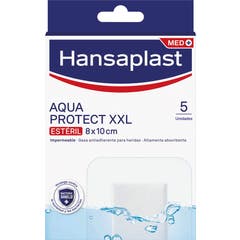
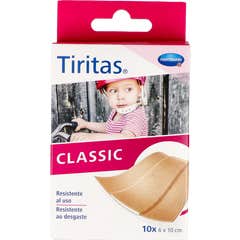
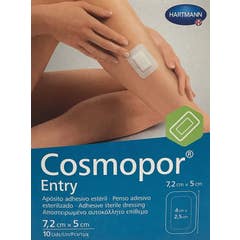
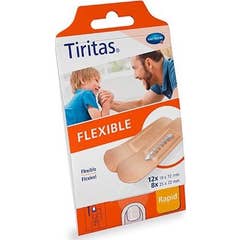
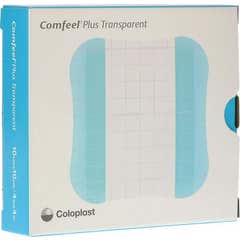
Plasters, adhesive bandages or dressings are patches that have a sterile gauze pad in the centre, surrounded by an area that sticks to the skin. They are used to protect open wounds, prevent infection and facilitate the healing process.
There are different types of plasters depending on the type of injury. To choose the right dressing, you need to consider the conditions the wound will be subjected to. They come in multiple sizes, materials, colours, flexibility, and can even be water-resistant. They may also have an additional ingredient with antiseptic properties to ensure a better healing process.
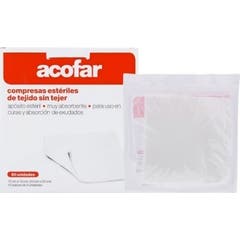
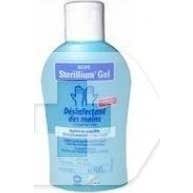
It is essential to clean the wound with water and soap, disinfect it and carefully dry the area with a sterile gauze before applying a dressing to any type of wound. Afterwards, simply remove the protective elements and make sure that the gauze pad, not the adhesive part, completely covers the wound.
Remember that the dressing is intended to protect the skin until it forms a protective scab. Unless the wound is in a rubbing area, it is preferable to remove the plaster once the scab has formed so that it can heal completely.
Please note that plasters are only indicated for blistering or minor bleeding. If the wound is very large or deep, you should consult your doctor, who will be able to assess how you should to proceed.