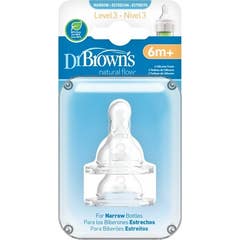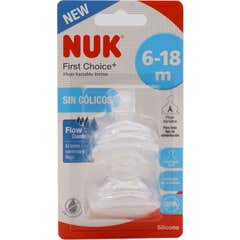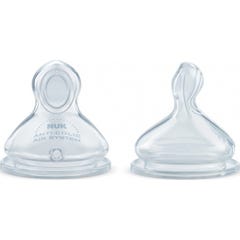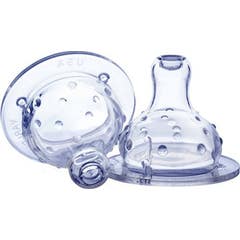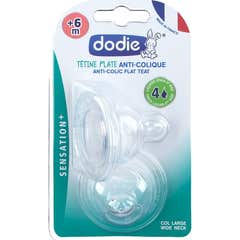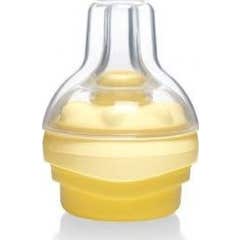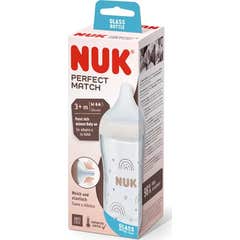
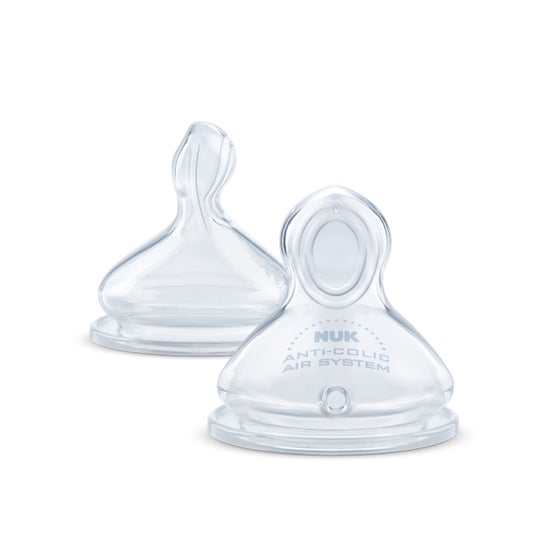
Nuk Fc Anti-colic silicone nipple T-1 hole M 2uts

Anticolic silicone teat for baby bottle

Nuk

3.88 €-53%
€8.30Estimated market price

Only 1 units at this price

Shipping in 24-72h

Shipping for only €2.99. Free shipping starting from €49.00

Money-back guarantee 14 days

100% secure payment

Product details

Is your baby uncomfortable with the common colic? Nuk First Choice nipples are designed to prevent the baby from swallowing the air and thus causing colic.

Characteristics:

Valve designed with the Nuk Air System ventilation system to prevent colic and bottle voids at the end of the liquid.

Feeling similar to the mother's breast for acceptance of food.

Made of resistant materials and easy to wash.

Does not contain latex.

Protects the gums to prevent inflammation.

*For reasons of hygiene, no exchanges or returns will be accepted for this product.

Give your baby the most comfortable feeding! *Colour and design may vary depending on availability.

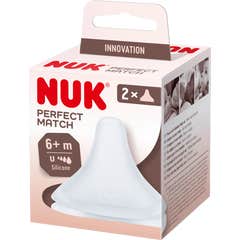
Wash and sterilize the nipple and bottle, dry with a clean cloth. Store in a cool, dry place.

There are several aspects to consider when choosing the teat that best suits the baby's needs, such as, for example, the material it is made of, as well as the flow speed and/or quantity, which should be adapted to each baby’s age and preference.

There are generally two materials to choose from: latex and silicone. Latex is a 100% natural product with a soft and elastic texture, which resembles the mother's nipple. Silicone is a transparent white chemical that is resistant and does not absorb odours or flavours.

There are several teat flow types: slow flow, suitable for new-born babies; medium flow, from 3-4 months and those with a higher flow, which are recommended to feed cereal and milk porridge. The choice of teat flow will therefore depend on the baby's growth stage. There are also variable flow options, which can be modulated according to how the teat is placed.

It is important to use bottles with teats that have an anti-colic system to prevent the ingestion of air and thus reduce the risk of colic.

Finally, we must bear in mind that the teat should be changed after 6 weeks of use or earlier if it has deteriorated.